Transforming Germany's Energy System
Germany aims to be greenhouse gas neutral by 2045. To achieve this goal, the expansion of renewable energies must be massively accelerated. In addition to the production of renewable energy, transport and storage infrastructure must be expanded to enable the use of renewable energy in households and across the economy. However, not all sectors can use green electricity directly. Energy-intensive industries in particular, such as the chemical and steel industries, are dependent on gaseous energy carriers such as hydrogen. Hydrogen produced from renewable energy sources is regarded as an important building block for decarbonisation. We are helping shape the hydrogen economy.
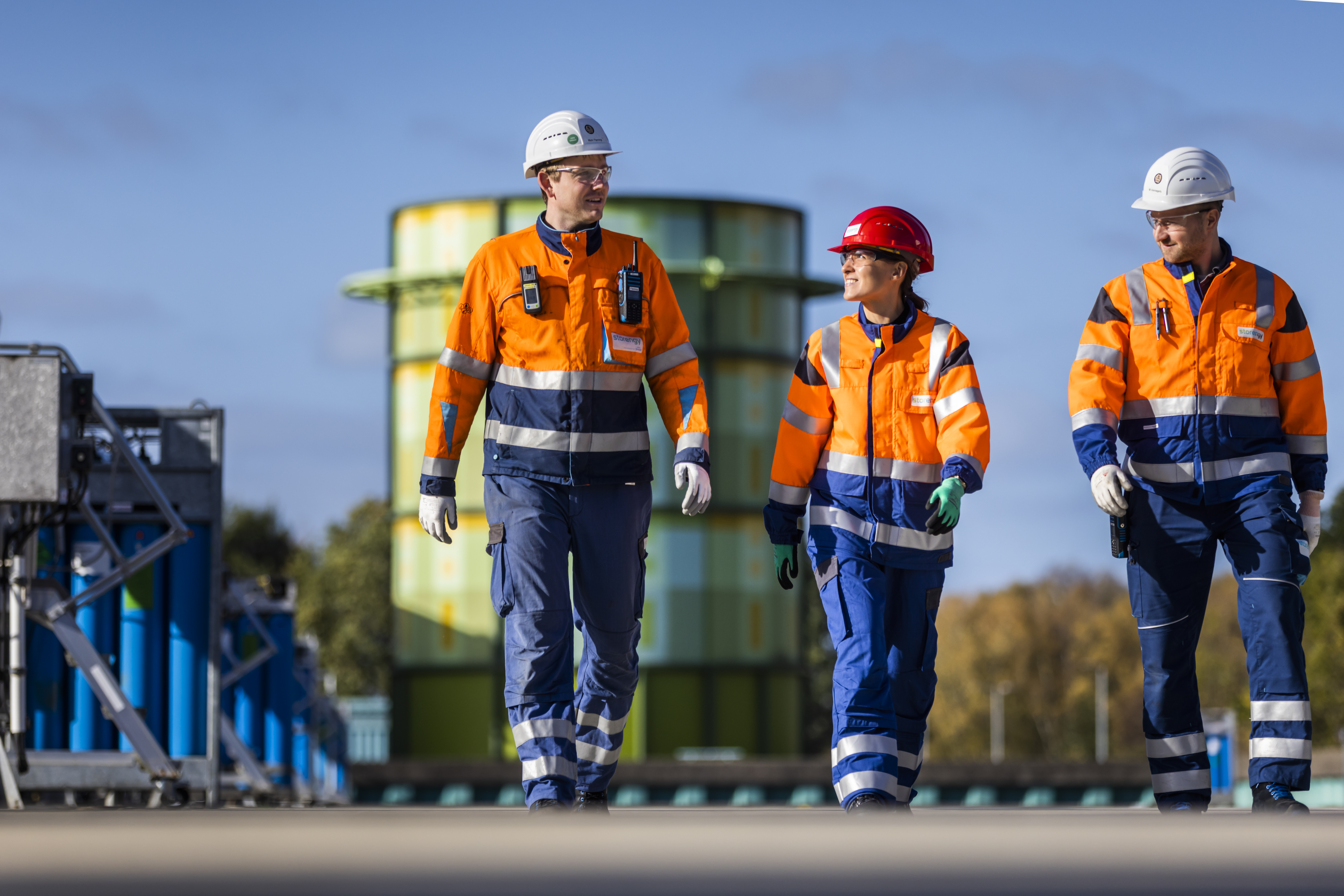
The German government estimates that total hydrogen demand in Germany will be between 95 and 130 terawatt hours (TWh) in 2030 (source: Federal Ministry for Economic Affairs and Climate Protection). By way of comparison, hydrogen consumption in Germany was 55 TWh in 2023. To date, hydrogen has mainly been used in the chemical industry. However, this energy carrier can also be used in other industries, such as the steel industry. Hydrogen is considered a key element in the transformation of this sector. For example, around 60 kilograms of cleam hydrogen are needed to produce one ton of green steel. If all of today's steel production were converted to hydrogen, this alone would result in an additional hydrogen demand of 53 TWh.
In order to meet this demand, in addition to increased hydrogen production, a massive expansion of the hydrogen infrastructure is also necessary: As with other energy sources, the production and consumption of hydrogen are separated in terms of location and time. Without sufficient transport pipelines and storage facilities, the potential of hydrogen for achieving climate targets cannot be fully exploited. This is where our SaltHy project comes in.
Pioneering hydrogen storage project
Hydrogen storage plays a central role in storing renewable energy, thereby decoupling energy production and consumption times.
The project is currently in the planning phase: mapping work has begun, and the first approval documents are to be submitted in 2024. Construction work is scheduled to begin in 2026 with the drilling of the first boreholes. Depending on the size of the caverns, the works are expected to be completed between 2030 and 2032, and the SaltHy hydrogen storage facility will then go into operation.

„According to current plans, SaltHy will be one of Germany's first hydrogen storage facilities, located in Lower Saxony, in the municipality of Harsefeld near Stade. The works are expected to be completed between 2030 and 2032. SaltHy is a pioneering industrial-scale project that will contribute to Germany's path towards greenhouse gas neutrality by providing hydrogen storage infrastructure.“ – Gunnar Assmann, Project Lead Hydrogen Storage, Storengy Deutschland
Hydrogen vision meets proven storage technology
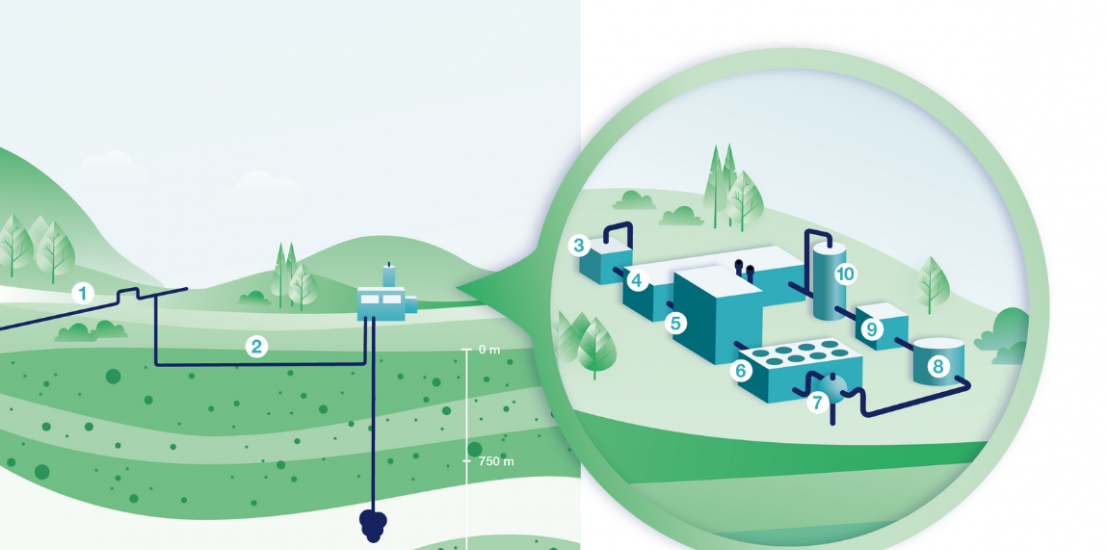
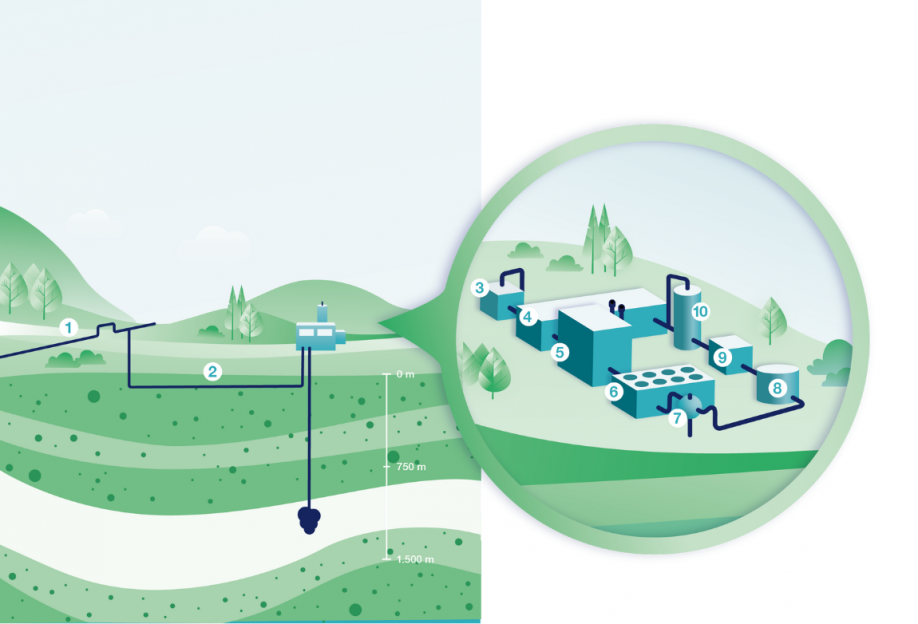
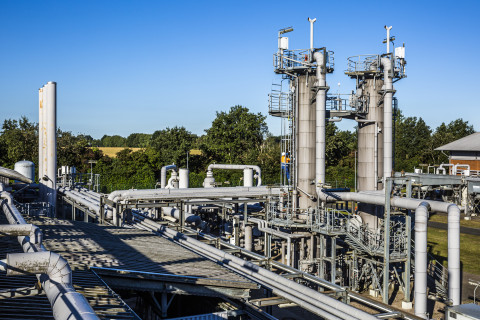
Underground salt cavern storage facilities are a proven technology for the safe storage of large quantities of gas. With SaltHy, Storengy Germany is now applying this proven storage technology to hydrogen. The cavern storage facilities are created in cavities in salt layers, as these provide natural and impermeable barriers. In subsurface facilities, the hydrogen from the transport pipelines is compressed for underground storage and injected safely into the salt cavern. When needed, the hydrogen is withdrawn again, prepared for the transport pipeline and fed into the hydrogen network for further transport.
Storengy Germany has many years of experience in the safe operation of salt cavern storage facilities for natural gas. This includes the Harsefeld site, where Storengy has been operating a natural gas storage facility since 1992 in compliance with the highest safety standards and without any lost time injuries.
„Hydrogen storage facilities are the missing piece of the puzzle to optimally connect import terminals, regional production via electrolysis, the “Hyperlink” hydrogen transport network, the “Hamburg Green Energy Hub” distribution network, and consumption centers in energy-intensive industries. Storage facilities give projects on the production and industrial side flexibility and security at the same time.
In Storengy, we and the joint municipality, have a strong partner on our side, one that has been active in the region for many years and brings with it the necessary experience and expertise in the safe operation of gas storage facilities and the implementation of highly complex industrial projects. We are delighted that this project will enhance the Stade economic region and strengthen our position as the H2 hub of northern Germany.“ – Ute Kück, Mayor of the joint municipality of Harsefeld

Functioning of Hydrogen Storage
You have questions? Feel free to contact us!
Our Expert
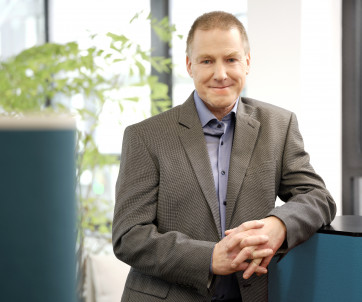
Project Lead Hydrogen Storage
Press releases
Upcoming events
10 February 2026 | Essen
E-world energy & water
E-world energy & water, the leading trade fair for the European energy industry, will take place in Essen from 10 to 12 February 2026. Visit us in Hall 1, Stand E102.
We look forward to talking to you!
Do you have any questions? Please don't hesitate to contact Melanie Streich.